Framer x Katowice Meetup: It was pure fire
Jan 26, 2026
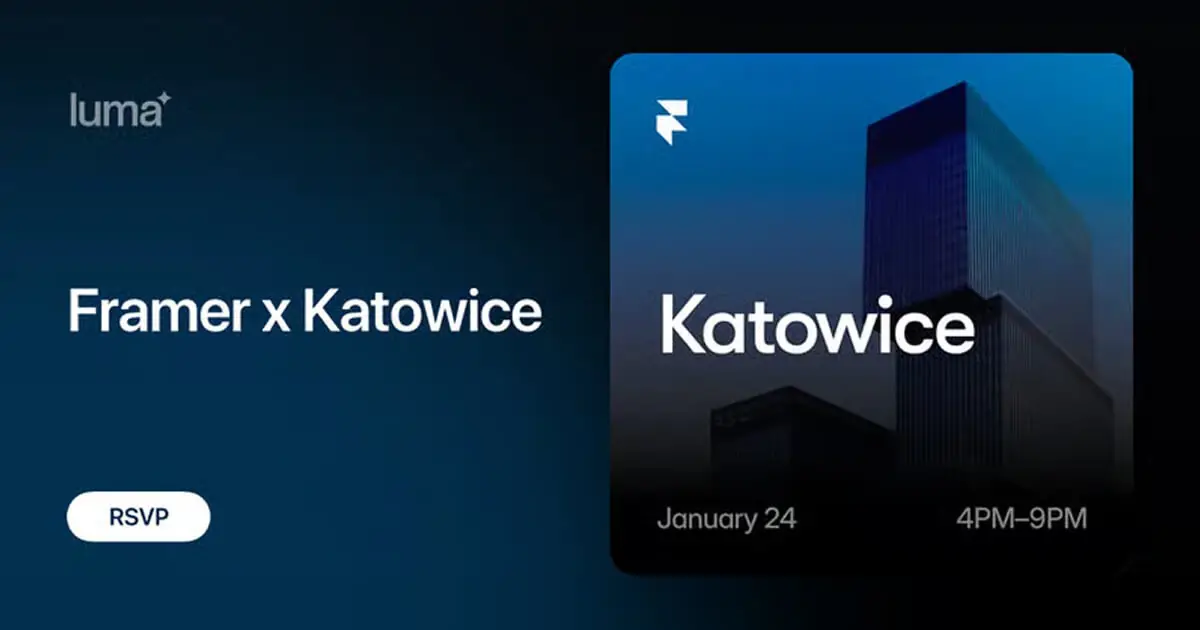
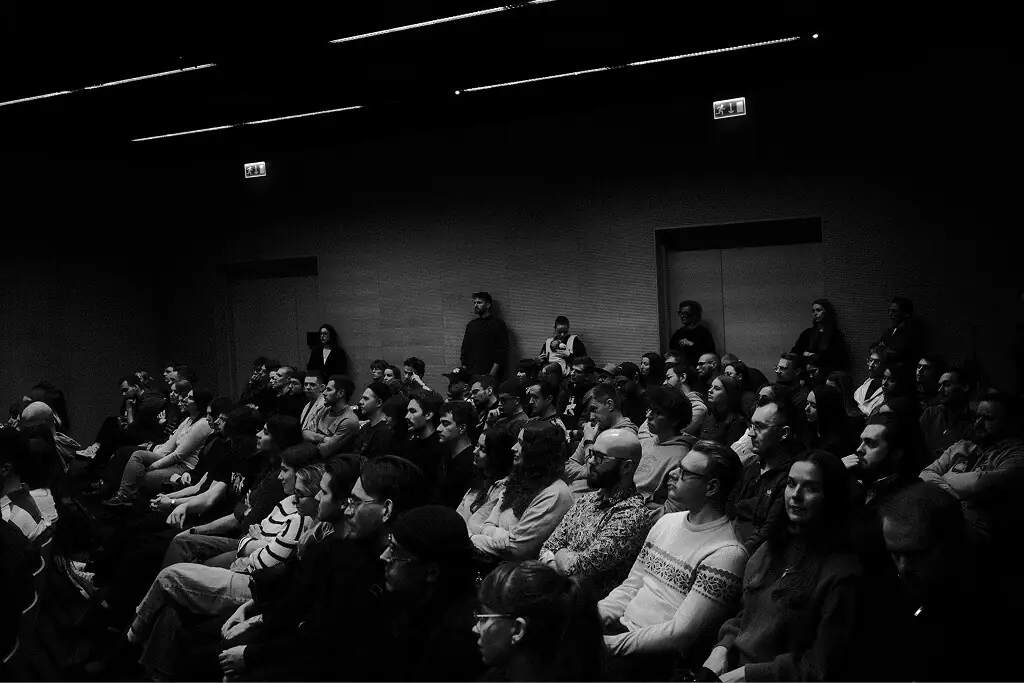
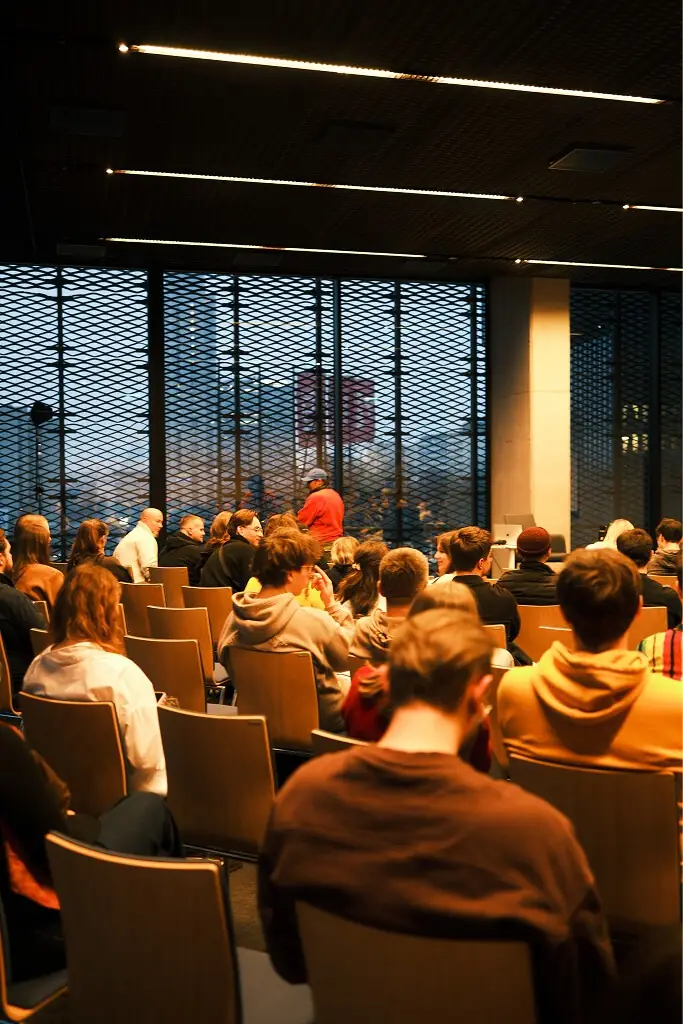
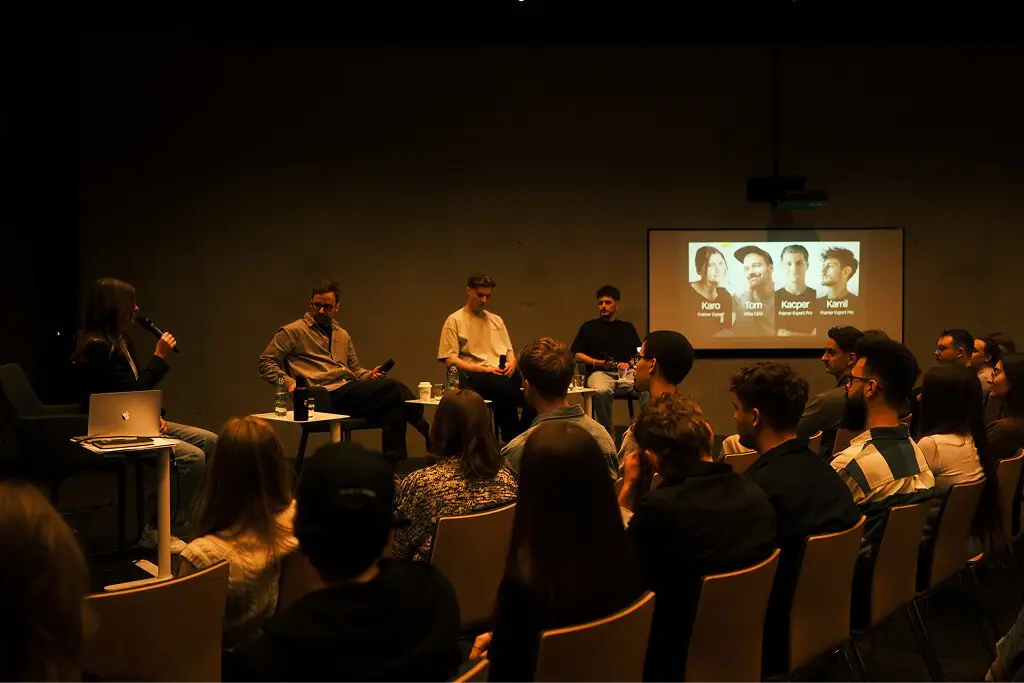
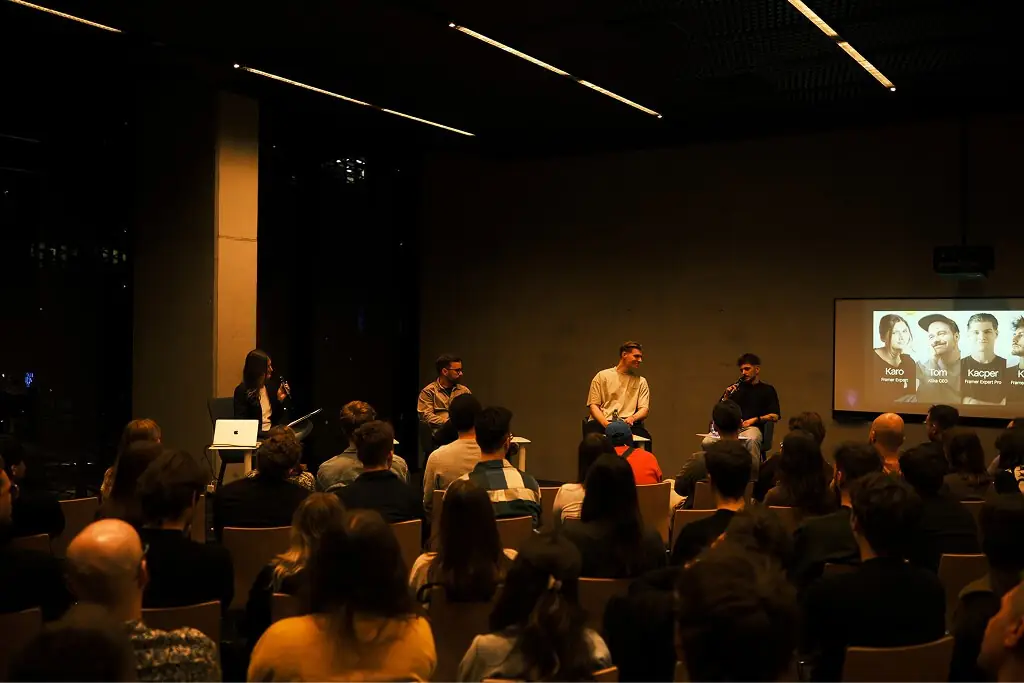
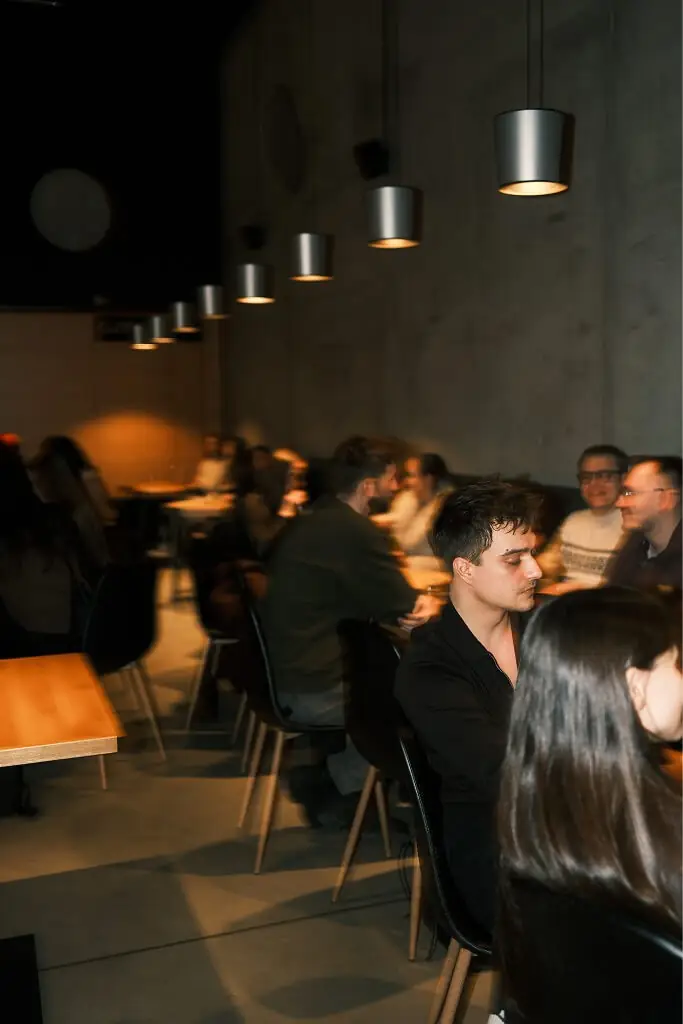
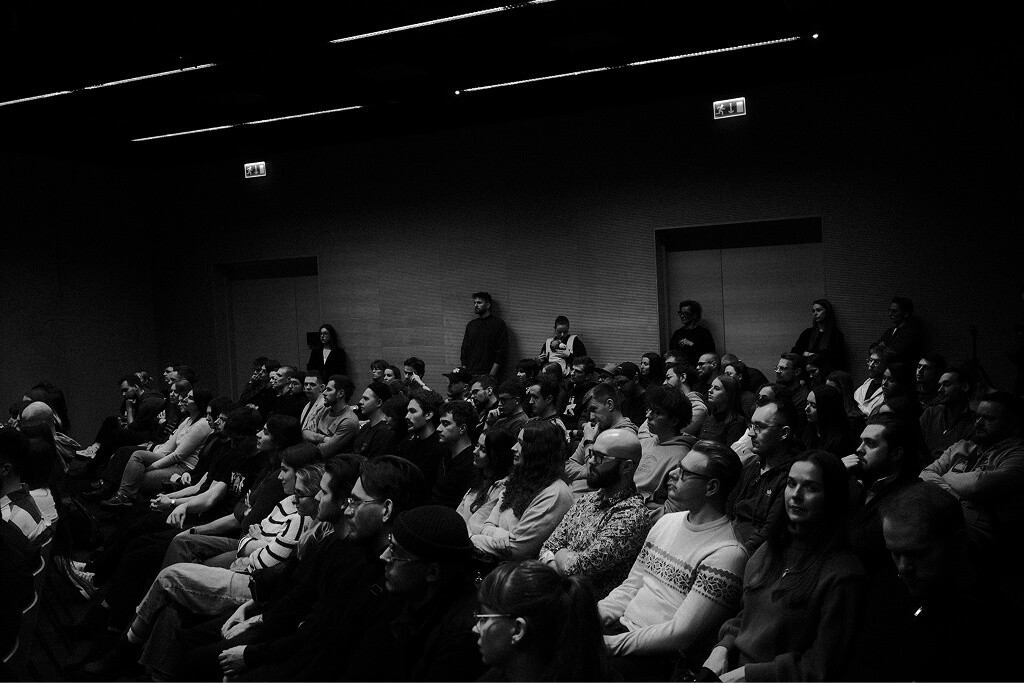
The vibe in Katowice was strong. With a crowd (around 120 people) and a high level of awareness, it’s clear how much Framer has matured. In 2024, it was still a niche tool, today, it’s a professional engine for building high-end websites. We left the "prototyping tool" label far behind.
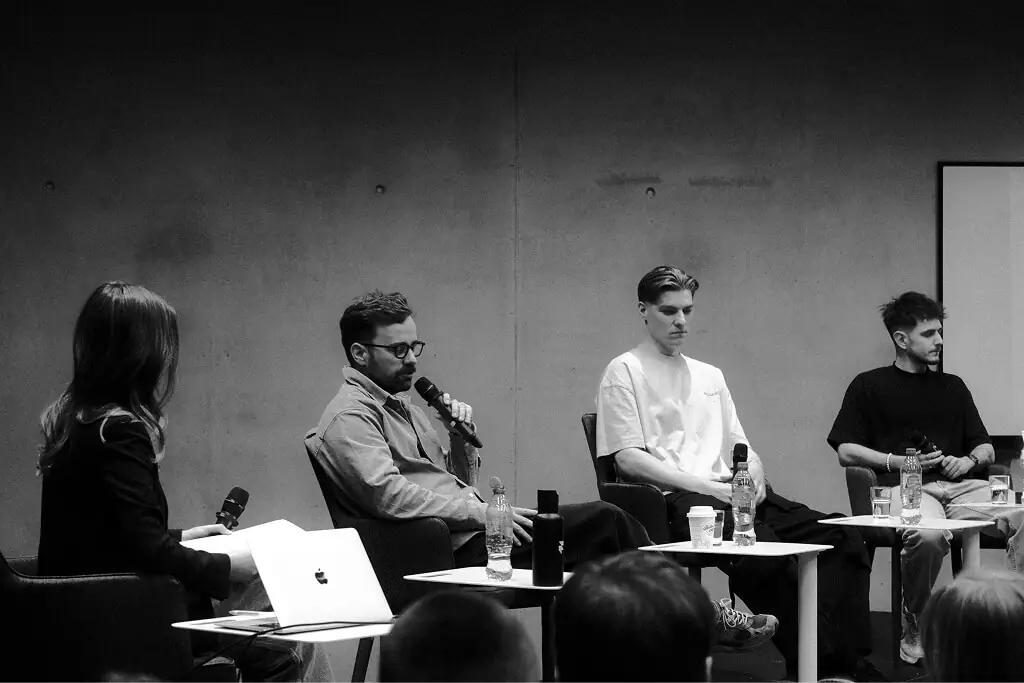
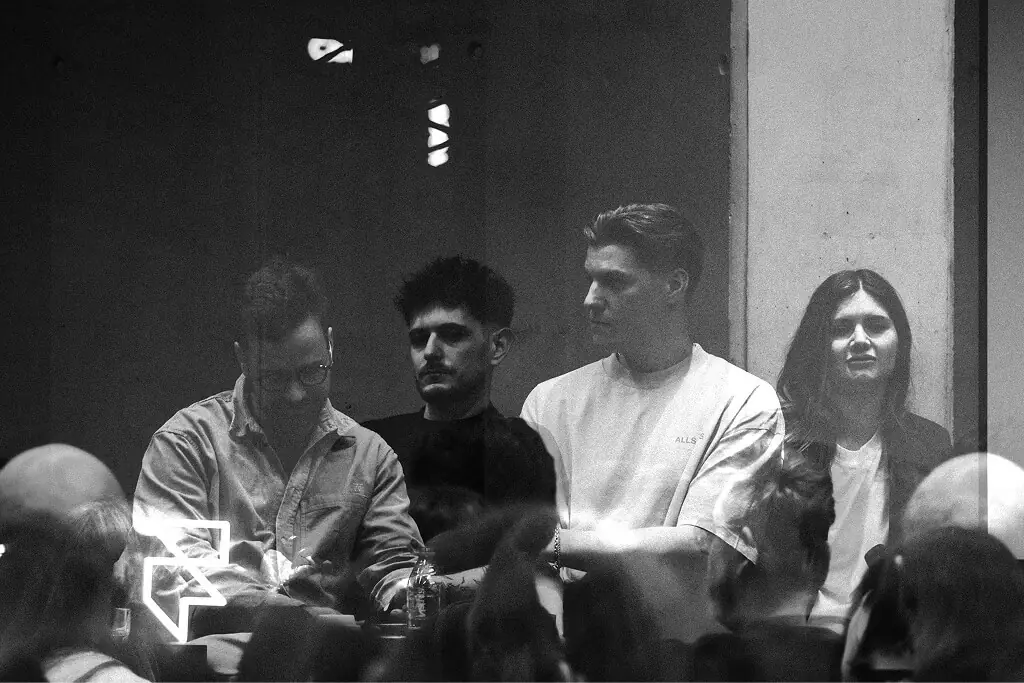
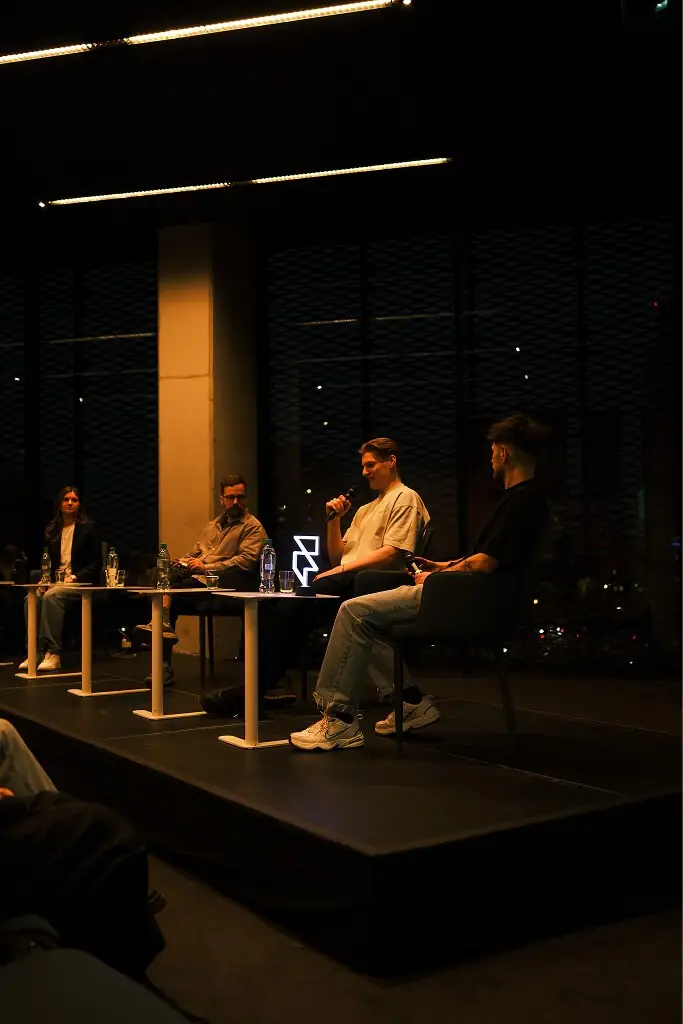
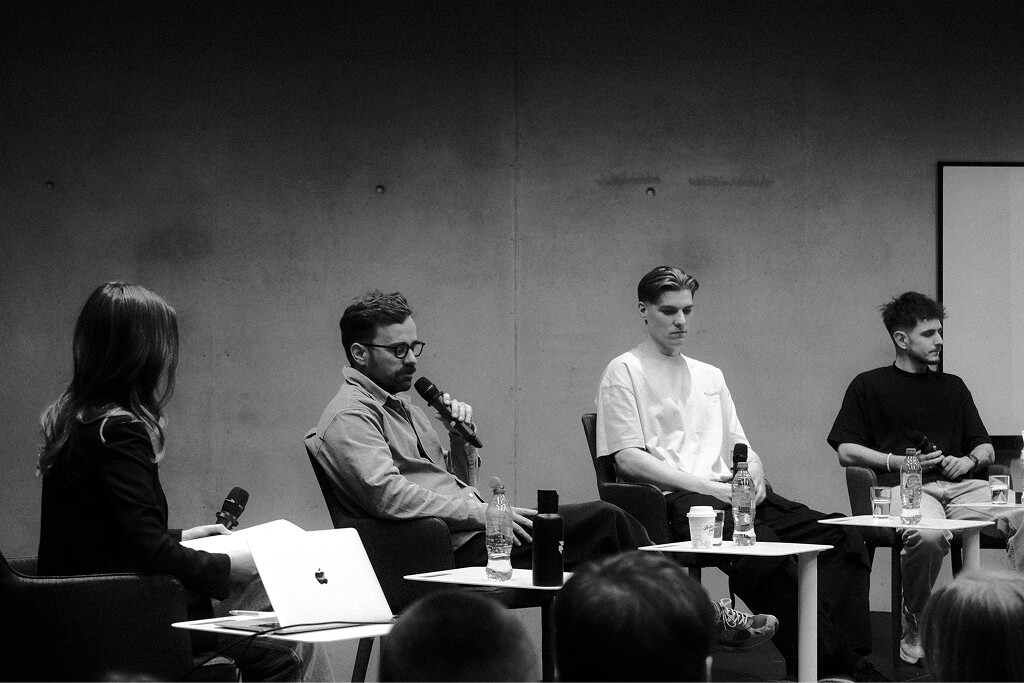
The meetup was organized by Framer and Karolina Hess (LinkedIn / Instagram). The panel discussion, which sparked many of the insights in this post, featured Tom Biskup (LinkedIn / Instagram), Kamil Leśniak (LinkedIn / X), and Kacper Kozłowski (LinkedIn / X). It’s great to see such talent driving the Polish Framer community forward.
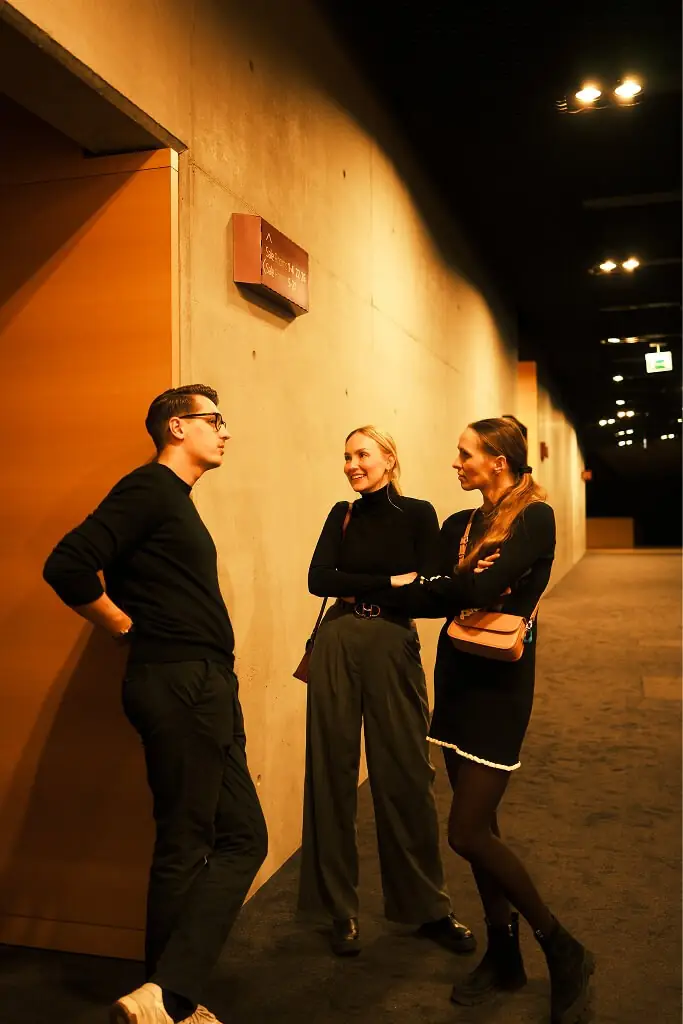
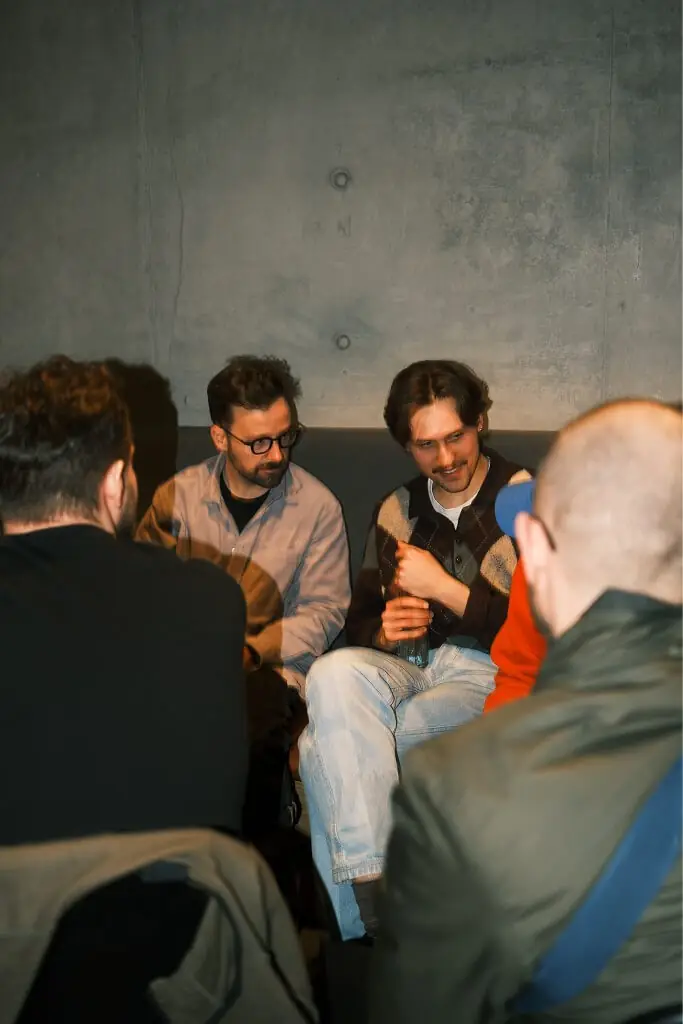
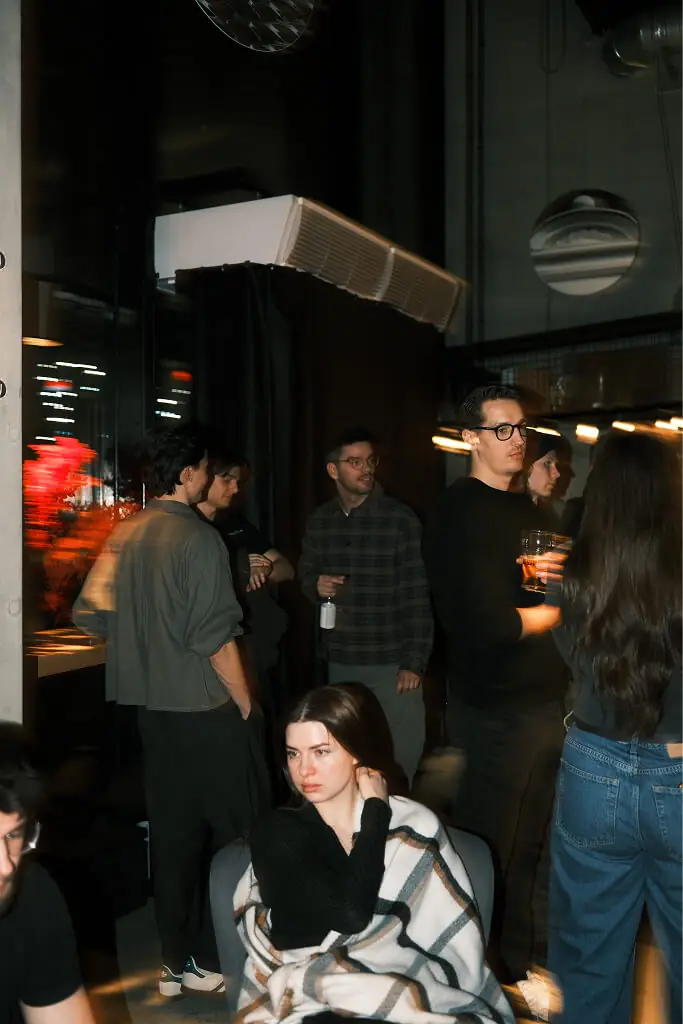
Shoutout to https://www.oltlab.net/ for the shots, they captured the vibe perfectly.
Here are my key takeaways from both the discussion and the hallway discussions.
The Polish community
Poland has a massive Framer community right now, and in my opinion, we owe that largely to Klika Digital. Their courses and consistent output have been the main drivers behind Framer’s explosion in popularity across the country.
Professional specialization
The market has matured enough to support different professional paths. You no longer have to be a "jack of all trades." You can choose the lane that fits you best:
The Framer Dev: Focused on technical execution and clean builds.
The Web Designer: Focused on the "wow" factor and high-end visuals.
The Hybrid: Handling the full cycle from design to deployment. The ecosystem is finally big enough for everyone to find their specialization.
Unique use cases
Beyond standard websites, there are some unusual ways you could use Framer:
Proposals: Sending interactive, animated proposals to clients instead of boring PDFs. It’s a great way to stand out, though you should always adjust to the client’s preferences (some of them still will prefer PDF's).
Brand Presentations: Showing off a brand identity with animations and interactions. It makes the project feel alive and takes it to a higher level.
Prototyping for E-commerce: If you’re building a Shopify store, you can use Framer to demonstrate animations and transitions first. it creates a real "wow" effect for the client.
The designer's dream: templates
Selling templates is the dream of every designer, creating something once and earning from it. It’s a great way to showcase your skills to the global community.
While you see people on X bragging about their earnings, I’d recommend looking at it with a grain of salt. To really make it work and support the Framer ecosystem with quality products, you need a combination of great visual skills, marketing, and a lot of time to do it all. It’s a challenging but rewarding path if you’re ready to put in the work.
Niche / USP / However you call that
There’s a lot of hype around niching down right now, and it makes sense business-wise. Doing "everything" in Framer can make your positioning tough. Some ideas:
Industry Focus: If you love jewelry or beauty, master high-end sites for that niche and own that space.
Topic Focus: Specialized areas like SEO, accessibility, or building design systems are branches that aren't fully taken yet.
Lead gen via Contra, X, and Behance
Opinions here are mixed. For some, these channels didn't work; for others, they did. There’s no universal rule, but generally, you need to spend much more time than just creating a profile. You have to polish your profile, post regularly, and connect with people. It’s a hard grind with no guarantees, but consistency is key.
AI (Lovable, Claude Code, many others) vs. real design
Everyone is talking about Lovable or Claude Code. While these tools are interesting, they aren't replacing us anytime soon. You might hear about "AI sites built in 2 hours," but the quality is usually poor and they are a nightmare to edit or scale.
AI can produce a website, but it can’t design one. It doesn’t understand business goals, information hierarchy, or strategy. On the other hand, we are successfully using AI as a partner. Tools like LLMs and Framer Workshop allow us to write custom code that pushes Framer far beyond its native limits, helping us ship better results faster.
Summary
Framer has officially become a "big tool" with a massive community behind it. It’s no longer just a side-tool; it’s a professional engine where it’s definitely worth investing your time. The business possibilities in 2026 are huge, whether you are building niche sites, high-end SaaS sites or custom code solutions.
—
Shoutout to https://www.oltlab.net/ for the shots, they captured the vibe perfectly.