

My story of learning Framer (and lessons for you not to make my mistakes)
Feb 2, 2026
This blog post is basically a recap of my talk on The Framer x Monterail Wroclaw Meetup that took place at November the 14th 2024. More than year have passed, but these things are timeless.
I tried many ways to learn Framer and here I'd like to share what worked and what didn't work, so you don't need to repeat my mistakes. That's the ultimate goal of this post. Basically, I have the impression I’m saying obvious things, but on the other hand, I feel they need to be said once again.
Everything you need is free
The most important thing is that everything you need to learn Framer is free. You have Framer Academy to learn the basics: layouts, components, breakpoints. Then you have Google + YouTube to find solutions for your specific needs. Ultimately, there's the Framer community when you can't find your answer on Google. When there is no solution, search there or ask people and create a topic. In almost all of the topics, there are answers with solutions.
Of course, there are paid Framer courses, and some of them are very good quality; I don't negate them. What I want to say is:
Don't buy a course and treat it as a magic wand that'll boost your learning.
You need to spend time, make mistakes, take lessons, and repeat the process many times. That's the way. Spend 10-20h learning Framer from free resources first, and then decide if you want to buy a course.
Find your balance (The 40/60 Rule)
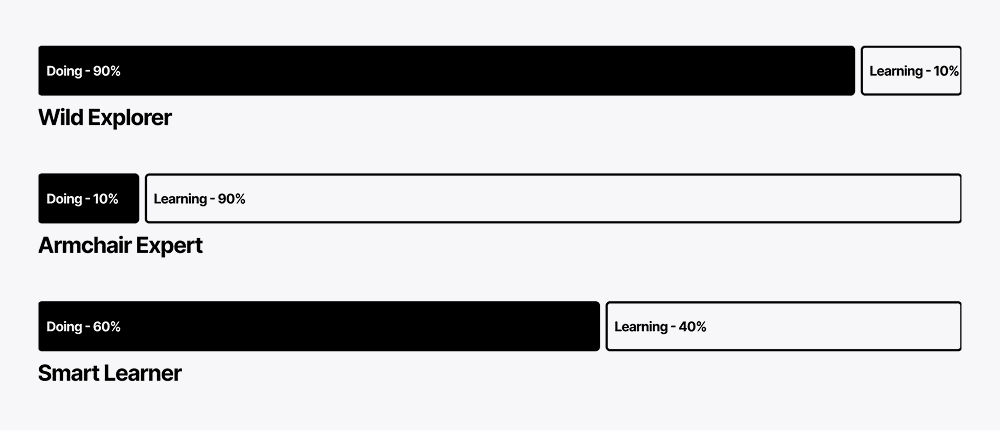
When you learn Framer, you have to keep the right balance. If you start learning and spend 90% of your time on practicing and only 10% on learning the tool (tutorials, videos, etc.), you’re probably not doing it effectively.
On the other hand, if 90% of your time is spent watching videos and reading tutorials, you'll become an "armchair expert." You'll know everything theoretically, but practically you won't be able to set up the simplest layout.
Find the right balance: watch the tutorials but spend more of your time actually practicing. I’d say the golden ratio at the beginning is to spend 40% of your time on “learning” and 60% on “doing.” As you progress, you should move even more towards doing.
Don’t fall in love with advanced solutions at first
I’m talking about magic apple scrolls, overrides, fancy components, or advanced scroll effects. I know you crave them. Actually, I did the same, but they’re the simplest way to get demotivated when you’re learning.
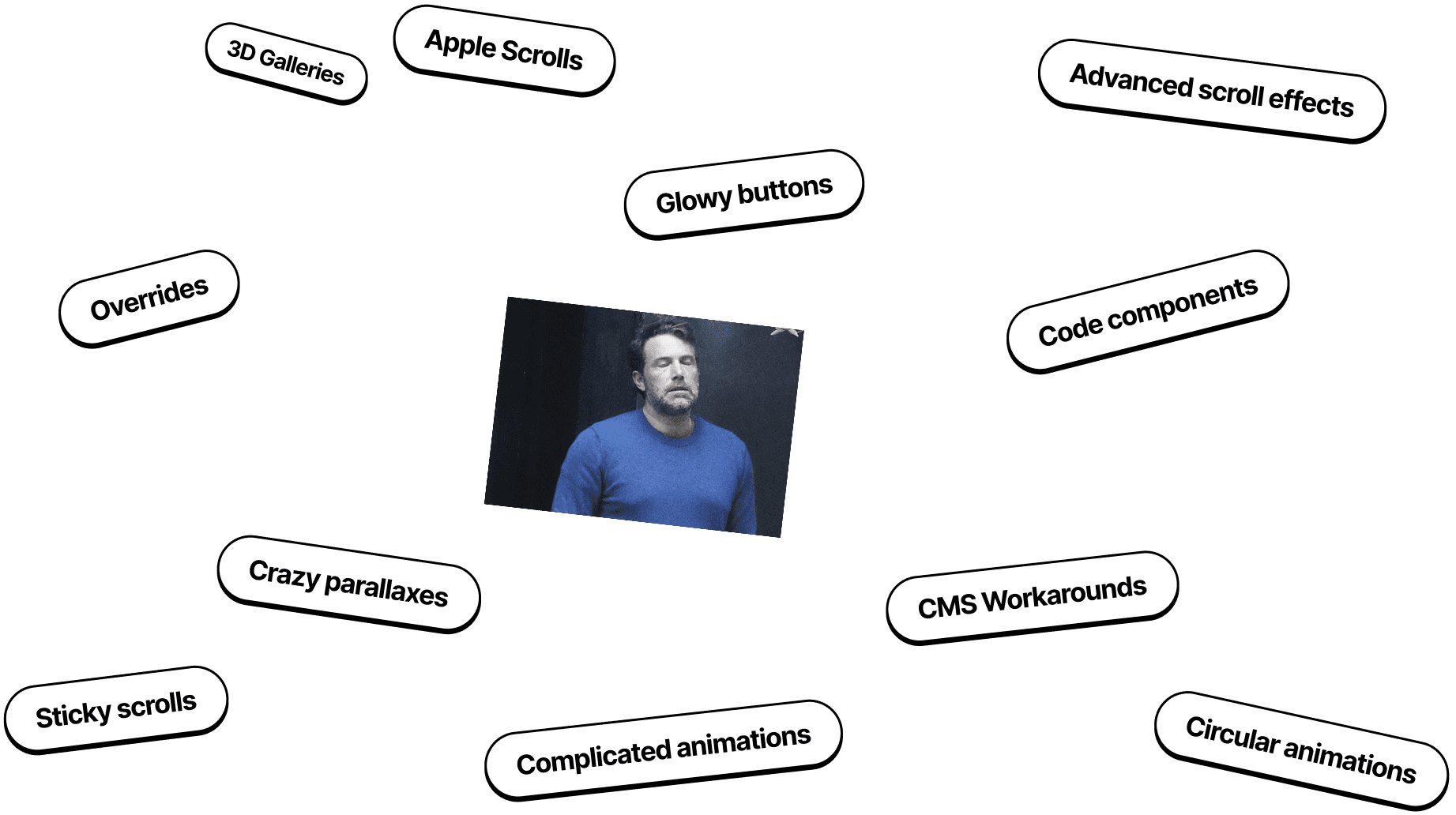
Why? Because they require a lot of knowledge and nuances that you just don’t have yet. There is a high probability you’ll end up modifying a component for a single section for a couple of hours with no success. First thing's first, there will come a time to be a fancy designer, but it’s not right now.
KISS (Keep It Simple Stupid)
That’s the rule that helps you move forward.
Keep 3 default breakpoints.
Just use the max-width parameter for containers.
Name your layers. Your project should be as simple as possible so you actually understand it. Otherwise, you’ll end up with a mess and be like a child in the fog.
Done is better than perfect
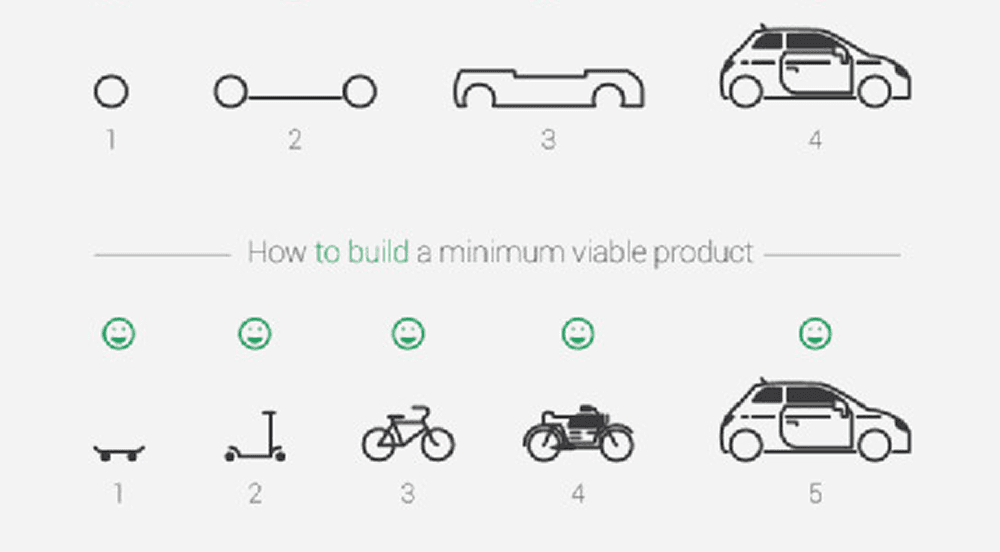
If you’re building your portfolio, focus on what actually matters: case studies, visuals, bio, experience, and content. Skip the 5 breakpoints, advanced scroll effects, or crazy buttons and perfectionism.
Your own portfolio is already a complicated project. Don’t overcomplicate it. Your goal is to finish the first version, then you can send job applications and create a second, "fancier" version later.
How to 10× your progress (and fun)
Focus on people. The Framer community, X (Twitter), fellow designers doing things in Framer. Create your circle, a mastermind, whatever you want to call it. You help others solve problems, and they do the same for you.
Gather useful links
I’m not a big fan of bookmarking or heavy note-taking, but in the Framer community, it really helps. Create one place as a source for Framer things like articles, guides, tutorials, and components. You’ll thank yourself later. These things can be hard to find again via Google or LLMs because the Framer environment is evolving so quickly. You need to select what is useful for you.
That being said, learning Framer is awesome. I hope you’ll take something from this article. Have fun!